Prehistoric and Roman Britain
Complete free lesson · 19 sections
Related guide: Read the first-time preparation guide.
While Britain was still joined to continental Europe by a land bridge, the first inhabitants of Britain, known as hunter-gatherers, made their way to this land. About 10,000 years ago, Britain broke away from the European continent and became an island. These hunter-gatherers depended on hunting herds of animals such as horses and deer for their food and clothing.
The Stone Age
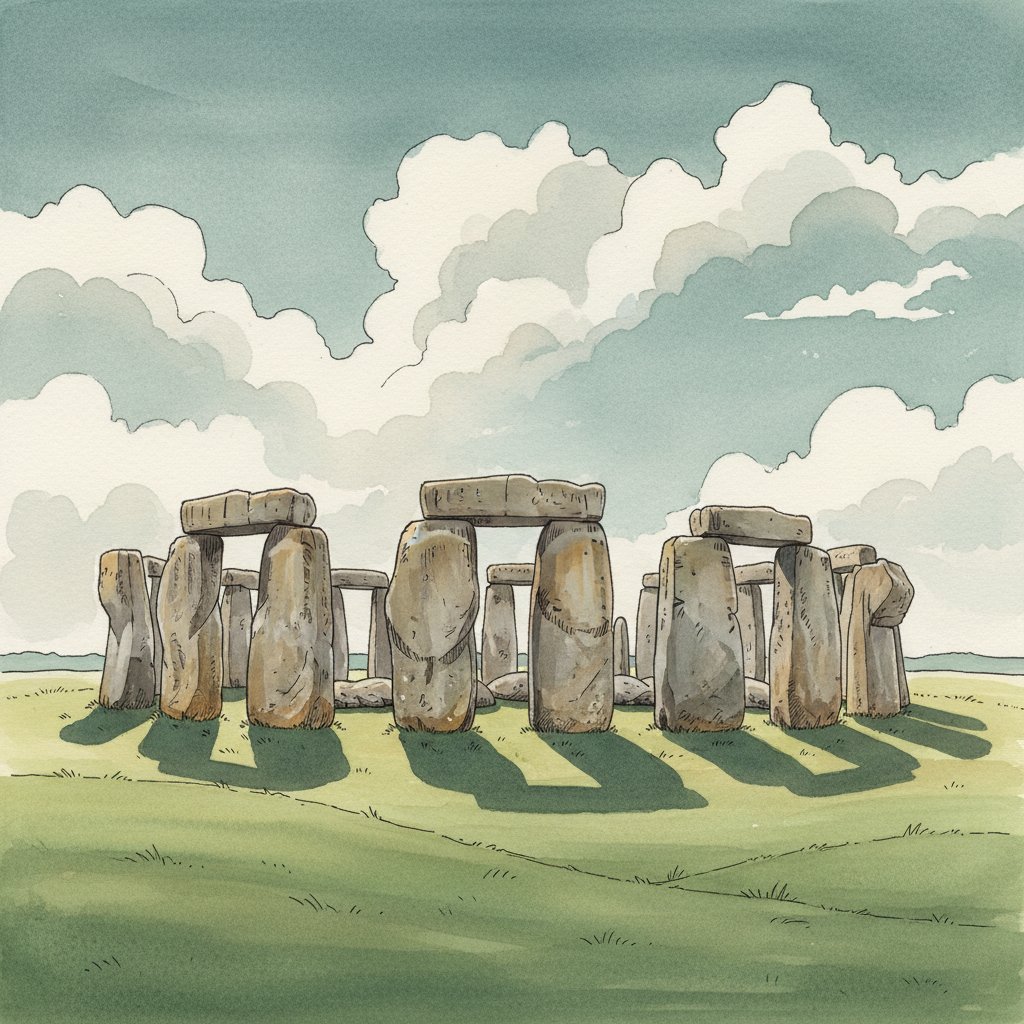
Around 6,000 years ago, the first farmers reached Britain, most likely from southeast Europe. These early settlers began using stone to build houses, tools, and monuments. Stonehenge, in Wiltshire in South West England, and Skara Brae in Orkney, Scotland, are two of the best-preserved Stone Age sites in the UK. Skara Brae is in fact considered the best-preserved prehistoric village in northern Europe.
The Bronze Age
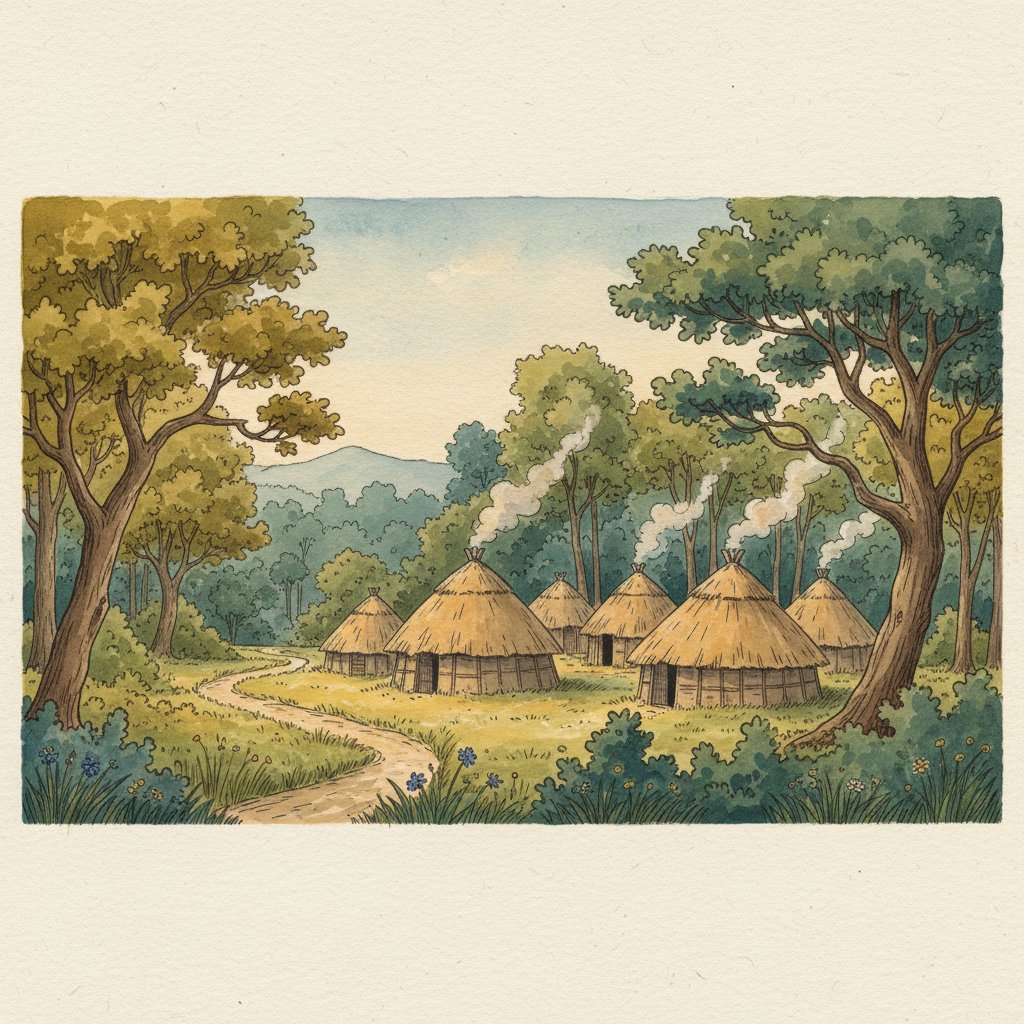
The Bronze Age started about 4,000 years ago. This era takes its name from the widespread use of bronze. People made tools and weapons from bronze and gold, lived in roundhouses, formed villages, and buried their dead in tombs known as round barrows.
The Iron Age
The Iron Age followed the Bronze Age and is named for the use of iron, rather than bronze, to produce tools and weapons.
Key characteristics of this era include:
- The grouping of people into larger settlements.
- A population mainly composed of farmers, craft workers, or warriors.
- The construction of defended sites known as hill forts, such as Maiden Castle in Dorset.
- The common use of a language related to Welsh and Gaelic, which belonged to the Celtic language family.
- The minting of the first coins in Britain, reflecting growing economic activity.
The Romans
In 43 AD, the Romans invaded Britain under the leadership of Emperor Claudius. One of the best-remembered figures to resist them was Boudicca, the queen of the Iceni. Her memorial statue stands on Westminster Bridge in London, near the Houses of Parliament.
The Romans never conquered the whole of Britain. In particular, they did not take the area we know today as Scotland. To guard the north of England against attacks by the Picts – descendants of the ancient native peoples of Britain, and among the ancestors of the modern Scots – Emperor Hadrian ordered the building of a defensive wall, known as Hadrian’s Wall.
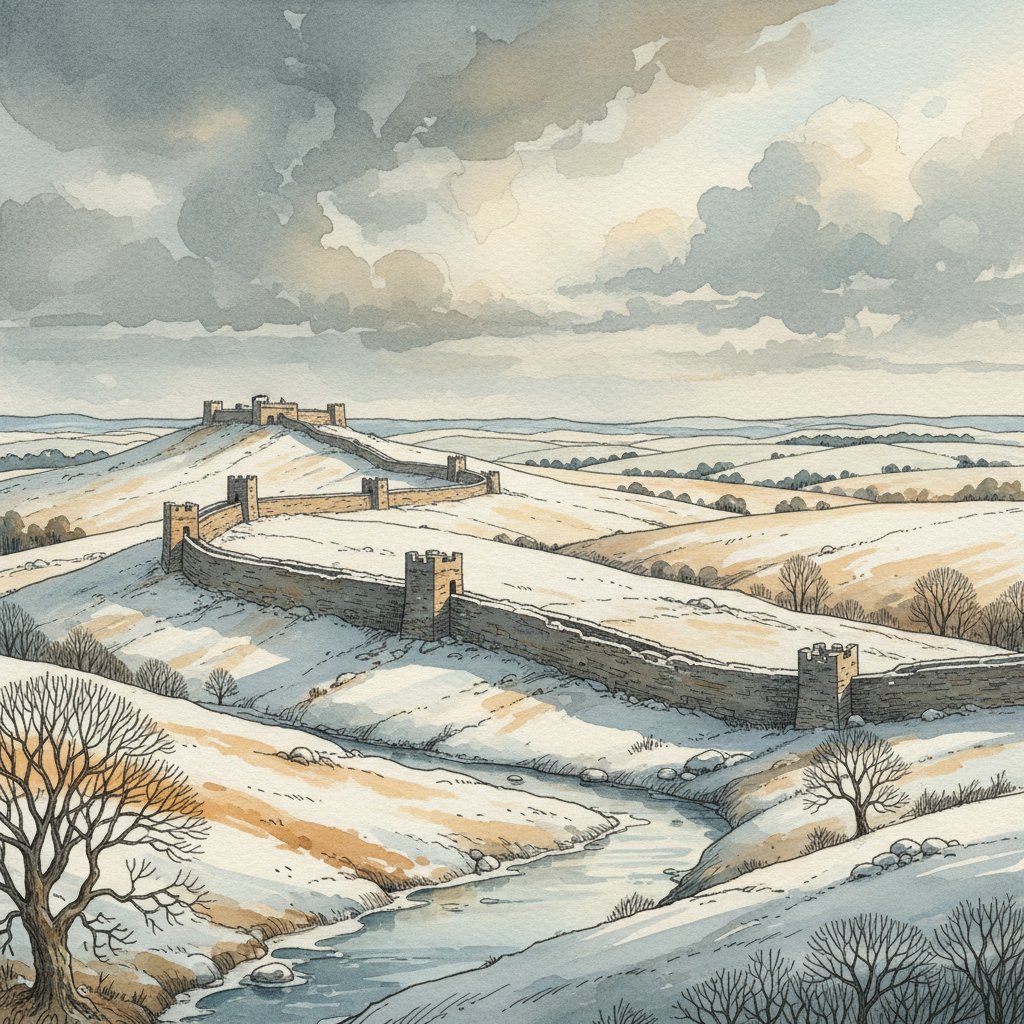
Hadrian's Wall
Roman rule in Britain lasted roughly 400 years. During this period, the Romans:
- Constructed roads and public buildings
- Enforced laws
- Introduced new plants and animals
The earliest Christian communities in Britain appeared during the 3rd and 4th centuries AD. In the end, the Romans left Britain to defend other parts of their Empire.