Community Involvement
Complete free lesson · 33 sections
Related guide: Read the first-time preparation guide.
Jury Service
Anyone eligible to vote and aged between 18 and 70 (or 18 to 75 in England and Wales) may also be called for jury service. Jurors are chosen at random.
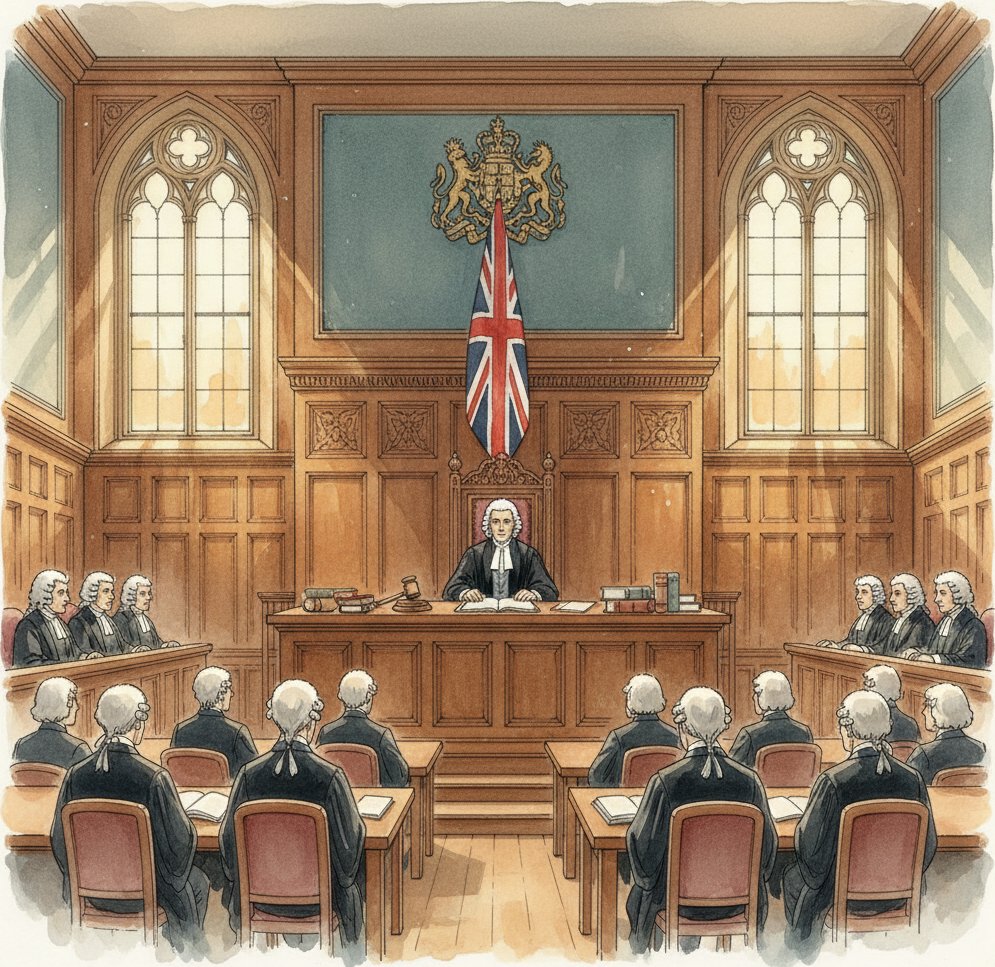
Jury Service: A duty of eligible citizens to serve as members of a jury, which decides the verdict in court cases.
Helping in Schools
Parents of school children can help out in the classroom, whether that is assisting with activities or listening to children read. Schools, or their parent-teacher associations (PTAs), often arrange events to raise money for extra equipment or activities. Such fundraisers include book sales, toy sales, and food stalls.

Helping with these events or joining the PTA is a strong way to take part in the school community and to improve school funding. Details of events and associations usually appear in notices at the school or in notes sent home with pupils.
School Governors
School governors are local volunteers who work to improve children’s education and raise school standards. The minimum age to serve is 18 at the date of election or appointment.

The main responsibilities of school governors include:
- Determining the strategic direction of the school
- Ensuring accountability
- Supervising and evaluating school performance
Supporting Political Parties
Joining a political party is a way to show support for its views and to take part in political activity. During election periods, party members are especially active, trying to persuade people to vote for their candidates. That can mean handing out leaflets in the street or canvassing – knocking on doors to ask for support. You are not obliged to answer a canvasser’s questions.

Standing as a local councillor or a Member of Parliament (or their devolved equivalents) is another way to take a more active part in politics. This route is open to British, Irish, and eligible Commonwealth citizens. The websites of the individual political parties carry further information.
Helping with Local Services
There are many opportunities to volunteer with local services, including hospitals and youth projects. A range of institutions – universities, housing associations, museums, and arts councils – invite local people to volunteer on their governing bodies and help shape how they are run.
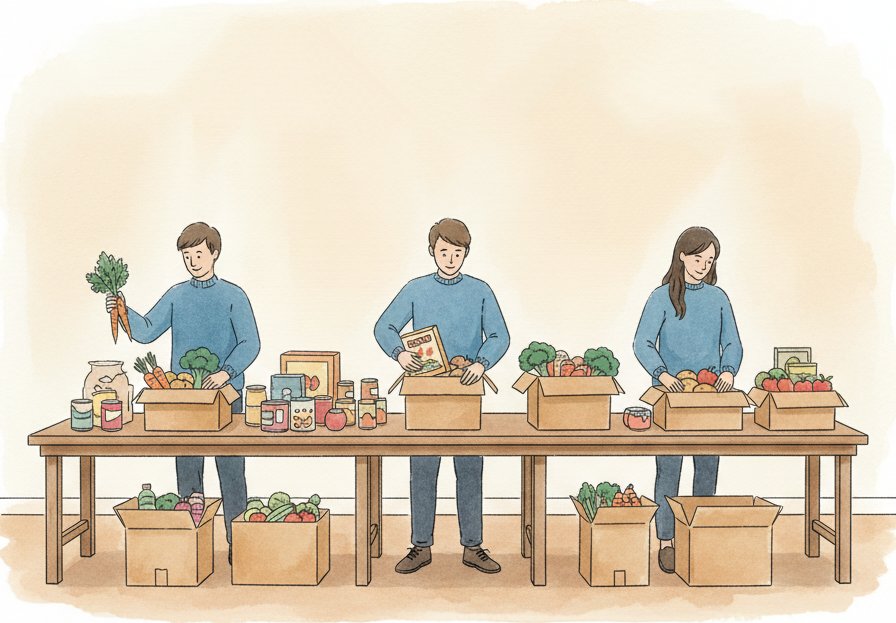
Adverts for vacancies appear in local newspapers and on local radio, including opportunities to volunteer with the police or to apply to become a magistrate. In the police, volunteers can serve as a special constable or as a lay (non-police) representative.
Blood and Organ Donation
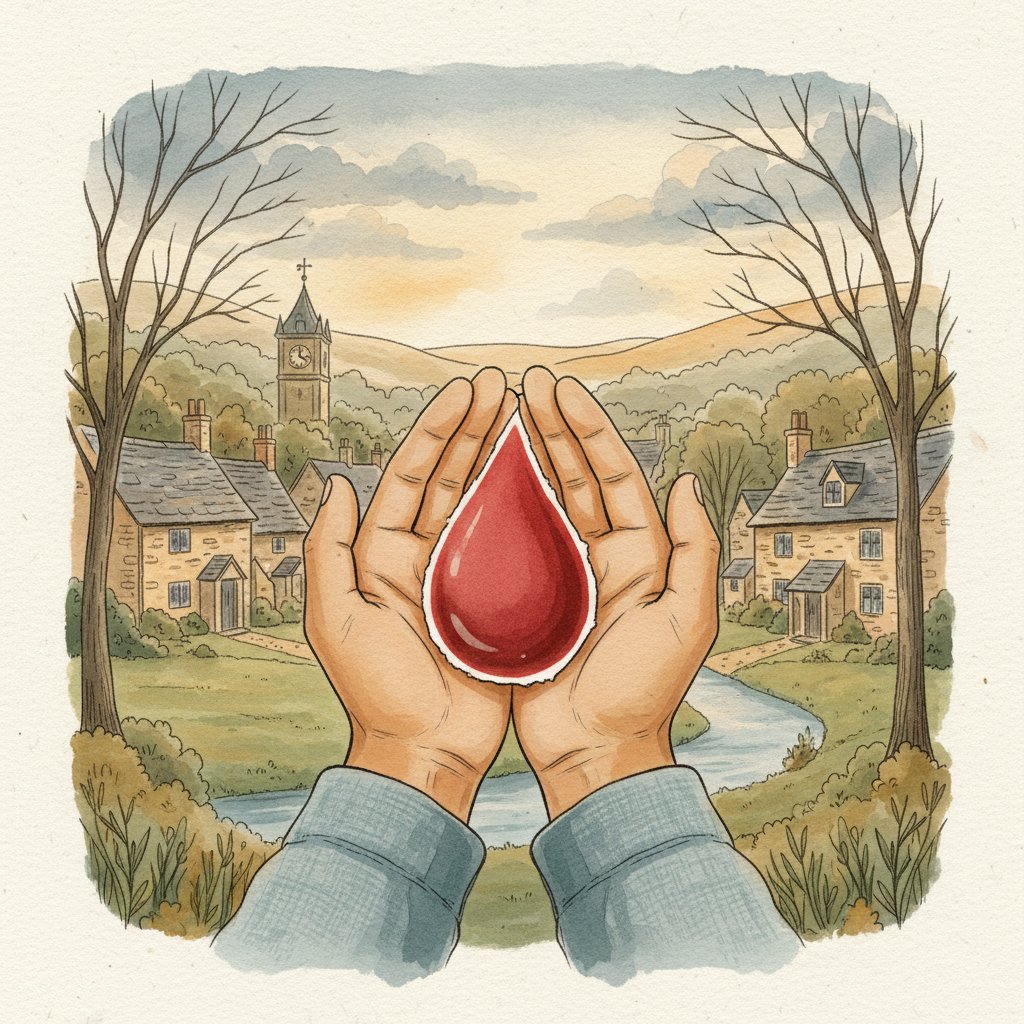
Donating blood takes about an hour and can go on to help several patients with a wide range of injuries and illnesses. You can also register as an organ donor through NHS Organ Donation’s website, which makes it easier for your family to decide whether to donate your organs after your death. Living donors can also donate a kidney.
Other Ways to Volunteer
Volunteering brings many benefits: meeting new people, improving your community, and more. It also lets you:
- Practise your English
- Develop skills that could help you secure a job
- Enhance your Curriculum Vitae (CV)
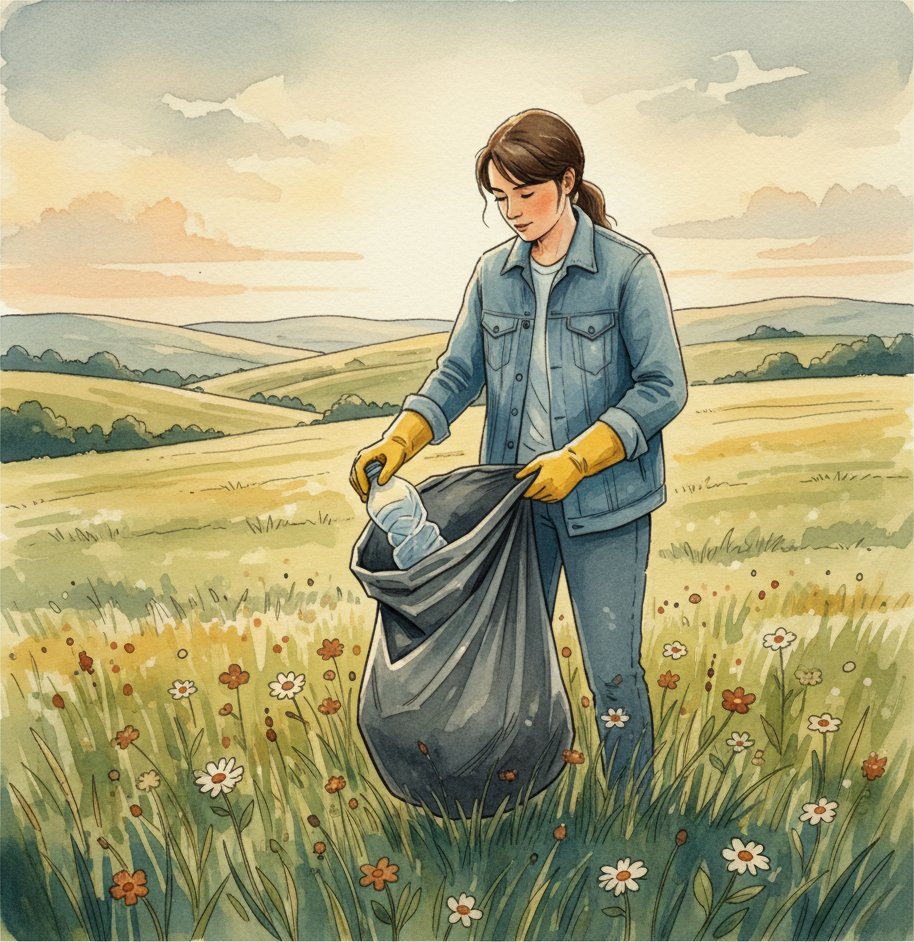
As a volunteer, you could get involved in activities such as:
- Working with animals — for example, caring for animals at a local rescue shelter
- Youth work — for example, volunteering at a youth group
- Helping to improve the environment — for example, participating in a local litter pick-up
- Working with homeless people — for example, at a homelessness shelter
- Mentoring — for example, supporting someone who has just come out of prison
- Working in health and hospitals — for example, working on an information desk in a hospital
- Helping older people — for example, at a residential care home

There are two categories of charities operating in the UK:
- British branches of international organisations, such as the British Red Cross
- Small local charities working in specific areas, such as:Charities working with animals (like the People’s Dispensary for Sick Animals (PDSA))
- Environmental charities (including the National Trust and Friends of the Earth)
- Medical research charities (for example, Cancer Research UK)
- Charities working with the homeless (for example, Crisis and Shelter)
- Charities working with children (for example, the National Society for the Prevention of Cruelty to Children (NSPCC))
- Charities working with older people (like Age UK)