Civil War and Commonwealth
Free preview · 3 of 8 sections
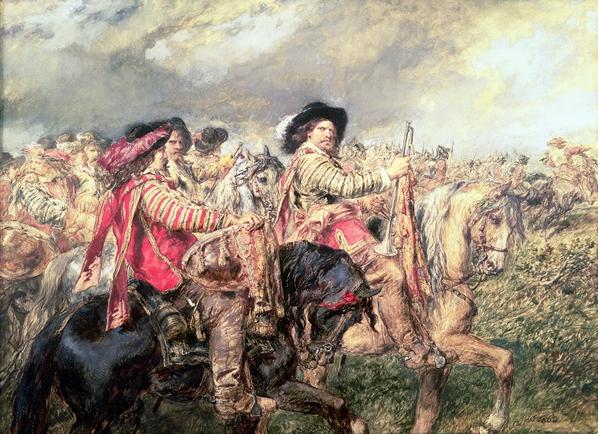
Charles I lost the war and was executed in 1649. The Battles of Marston Moor and Naseby were two of the most important engagements during the English Civil War around this time. The army took control, and the country’s political structure shifted to the Commonwealth, which meant that England was now governed as a republic. There was no monarch; power lay instead with the people and their elected representatives. Oliver Cromwell, one of the army’s generals, led a campaign in Ireland to re-establish the authority of the English Parliament.
The Scots, who were opposed to the execution of Charles I, wanted his son, Charles II, to be king. Charles II led a Scottish force into England but was defeated by Cromwell’s forces. As a result, Parliament gained control of Scotland too, in addition to England and Wales.