The Stuart Era
Complete free lesson · 11 sections
Related guide: Read the first-time preparation guide.
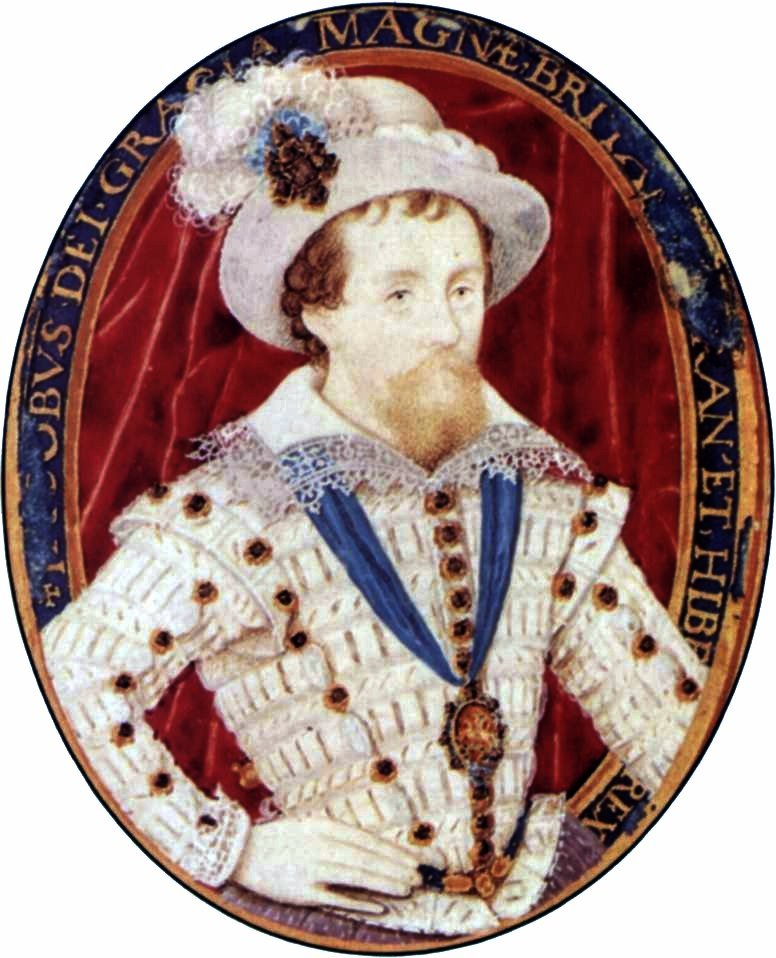
On the death of Queen Elizabeth I, her cousin James VI of Scotland came to the throne, as Elizabeth had never married and left no children. He became King James I of England, Wales, and Ireland, while Scotland remained independent.
Ireland
Elizabeth I and James I both faced rebellions in Ireland during their reigns, as most Irish people were Catholic and opposed the rule of the Protestant government in England. The term "Plantations" refers to how the monarchs tried to deal with this: taking land from Catholic landholders and giving it to Protestant English and Scottish settlers. The Plantations had a lasting and significant impact on the history of England, Scotland, and Ireland.
The Rise of Parliament
James I and his son Charles I believed in the Divine Right of Kings – the idea that they thought God had directly appointed them as kings, so they avoided taking advice from Parliament. As a result, they were not as skilful as Elizabeth I in managing Parliament. Charles I, King of England, Wales, Ireland, and Scotland, raised money in ways that Parliament did not approve.
The Beginning of the English Civil War
In 1640, Charles I recalled Parliament to raise funds for his army. This army was raised in response to Scottish unrest caused by the king’s attempt to impose his version of the Prayer Book on the Presbyterian Church in Scotland. Parliament, which was largely Puritan and opposed to the king’s religious views, refused his request.

When rebellion broke out in Ireland, Parliament demanded control of the army. Charles I resisted this, as agreeing would have weakened his power. He made an unsuccessful attempt to arrest Parliament’s leaders.
In 1642, the conflict between King Charles I and Parliament escalated into a civil war. The country split into two camps: the Cavaliers, who supported the king, and the Roundheads, who supported Parliament.