The Elizabethan Age
Complete free lesson · 10 sections
Related guide: Read the first-time preparation guide.
Although a strong Protestant, Queen Elizabeth I did not stir up religious conflict in England. She was deeply popular, particularly after the defeat of the Spanish Armada in 1588. The Spanish Armada was a huge fleet sent to conquer England and restore Catholicism in the country.
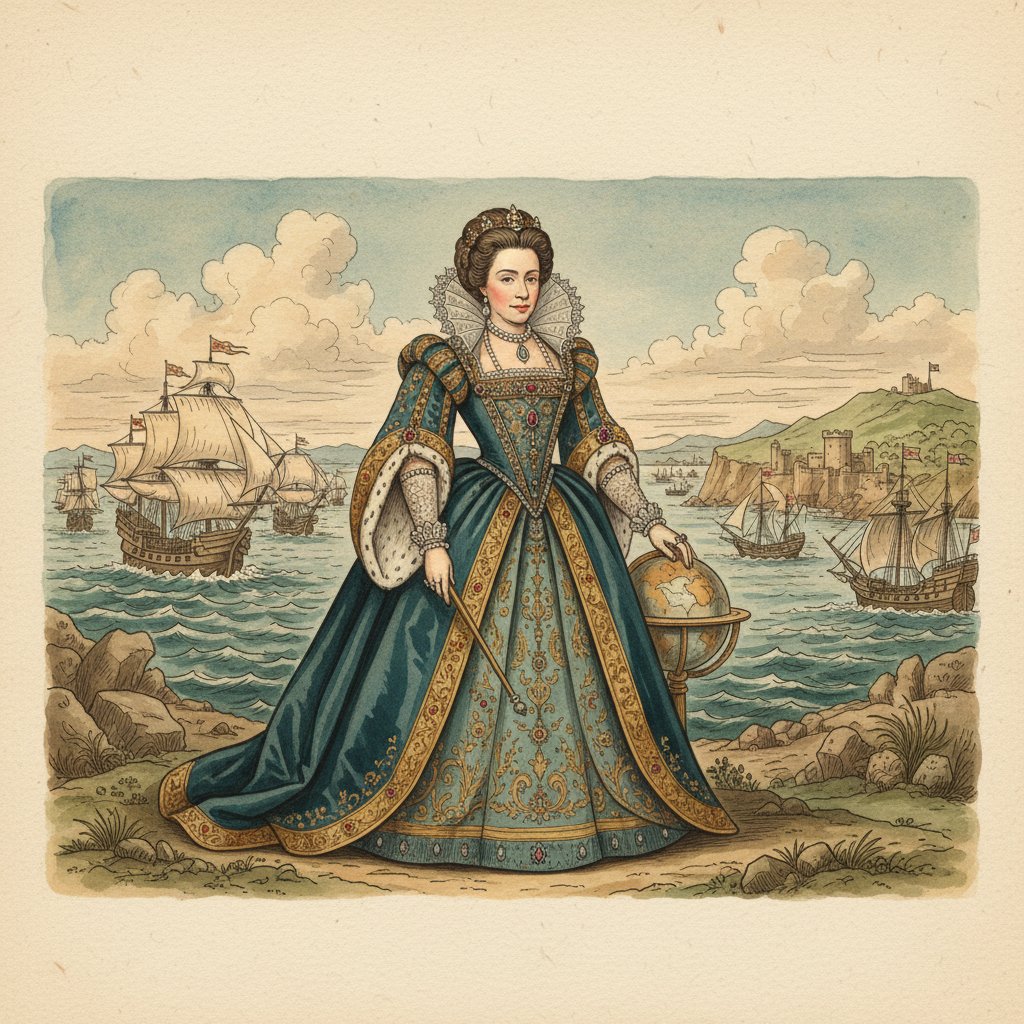
Sir Francis Drake was one of the commanders who helped to turn back the Spanish Armada and is also credited with shaping England’s naval tradition. His ship, the Golden Hind, was among the first to circumnavigate the globe – that is, to sail around the world.
The Reformation in Scotland and Mary, Queen of Scots
The Reformation had a significant effect in Scotland as well. Although she herself was Catholic, the queen of Scotland, Mary Stuart, known as ‘Mary, Queen of Scots’, saw a Protestant Church of Scotland established with an elected leadership during her reign. She became queen when she was only one week old.
Exploration, Poetry, and Drama
The Elizabethan period, named for Queen Elizabeth I, had several distinctive characteristics, including:
- The colonisation of the eastern coast of America.
- A sense of patriotism built on pride in being English, the search for new trade routes, and the extension of British trade into the Spanish colonies in the Americas.
- A flourishing of poetry and drama. The works of William Shakespeare stand out as the most famous examples from this era.
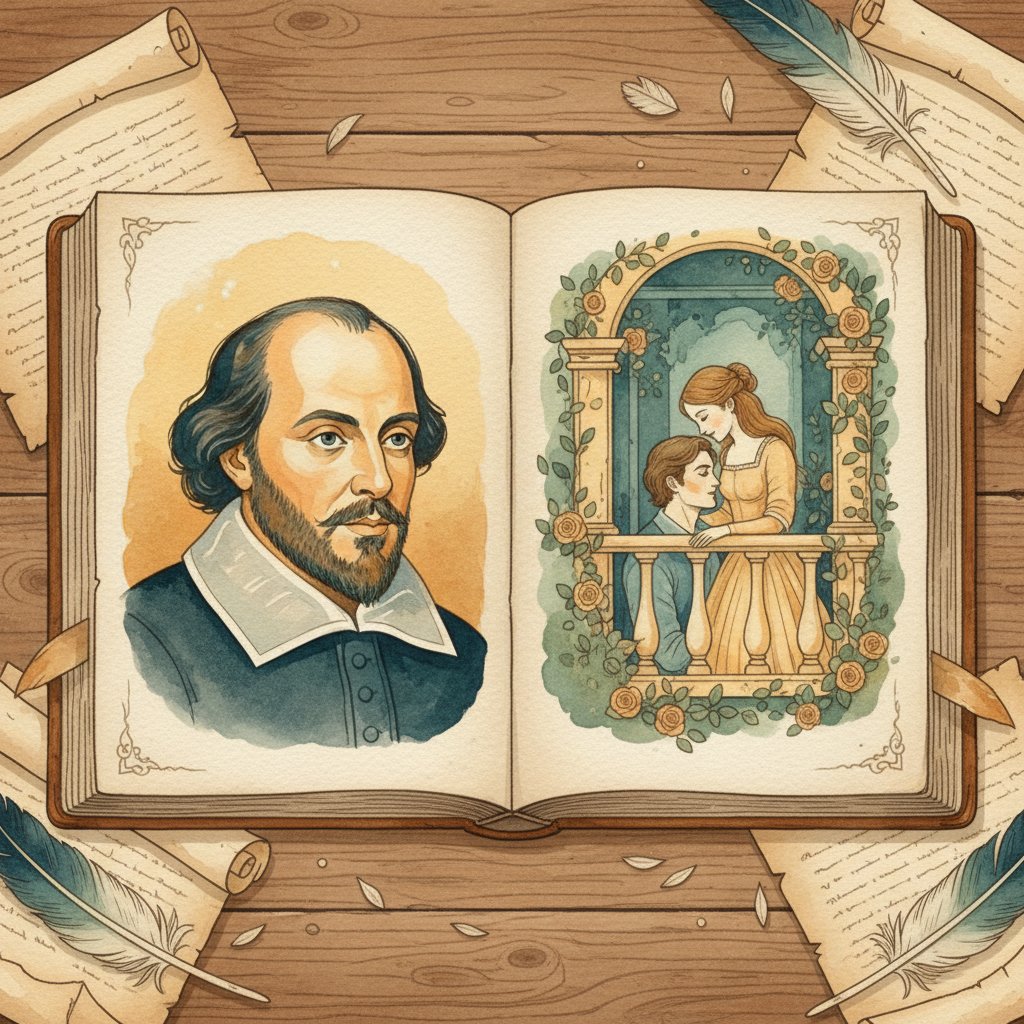
William Shakespeare, born in Stratford-upon-Avon, England, was a prolific writer of sonnets, plays, and poems, as well as an actor. His works have outlasted his own age and continue to be performed and studied around the world. Among the plays credited to him, A Midsummer Night’s Dream, Hamlet (the famous line ‘To be or not to be’ is from Hamlet), Macbeth, and Romeo and Juliet are among his best-known. He broke new ground by bringing ordinary Englishmen and women on to the stage.