Forging a National Identity
Complete free lesson · 12 sections
Related guide: Read the first-time preparation guide.
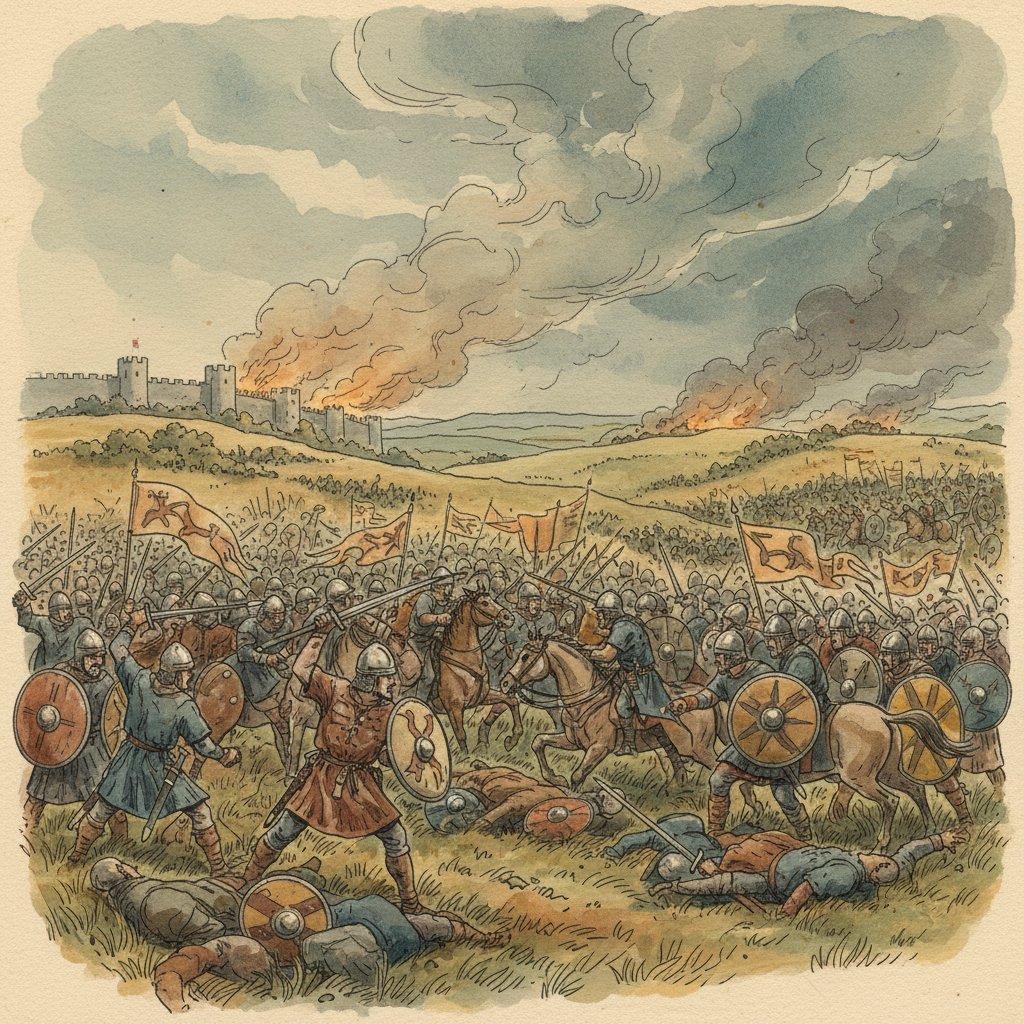
A national identity began to take shape during the Middle Ages. After the Norman Conquest, the king and his noblemen spoke Norman French, while the peasants continued to speak the Anglo-Saxon language. These two languages gradually merged, producing what we now know as English.
By 1400, English had become the language of official documents and was the everyday language of the royal court and Parliament.
In the late 14th century, Geoffrey Chaucer wrote The Canterbury Tales, a collection of stories in verse told by a group of people travelling to Canterbury on a pilgrimage. The Canterbury Tales was one of the first books printed in England by William Caxton, who was the first person in the country to use a printing press for making books.
In Scotland, the Gaelic and Scots languages developed over this period. Some poets began writing in Scots. John Barbour, for instance, wrote The Bruce, a poem about the Scottish king Robert the Bruce, who defeated the English at the Battle of Bannockburn in 1314.
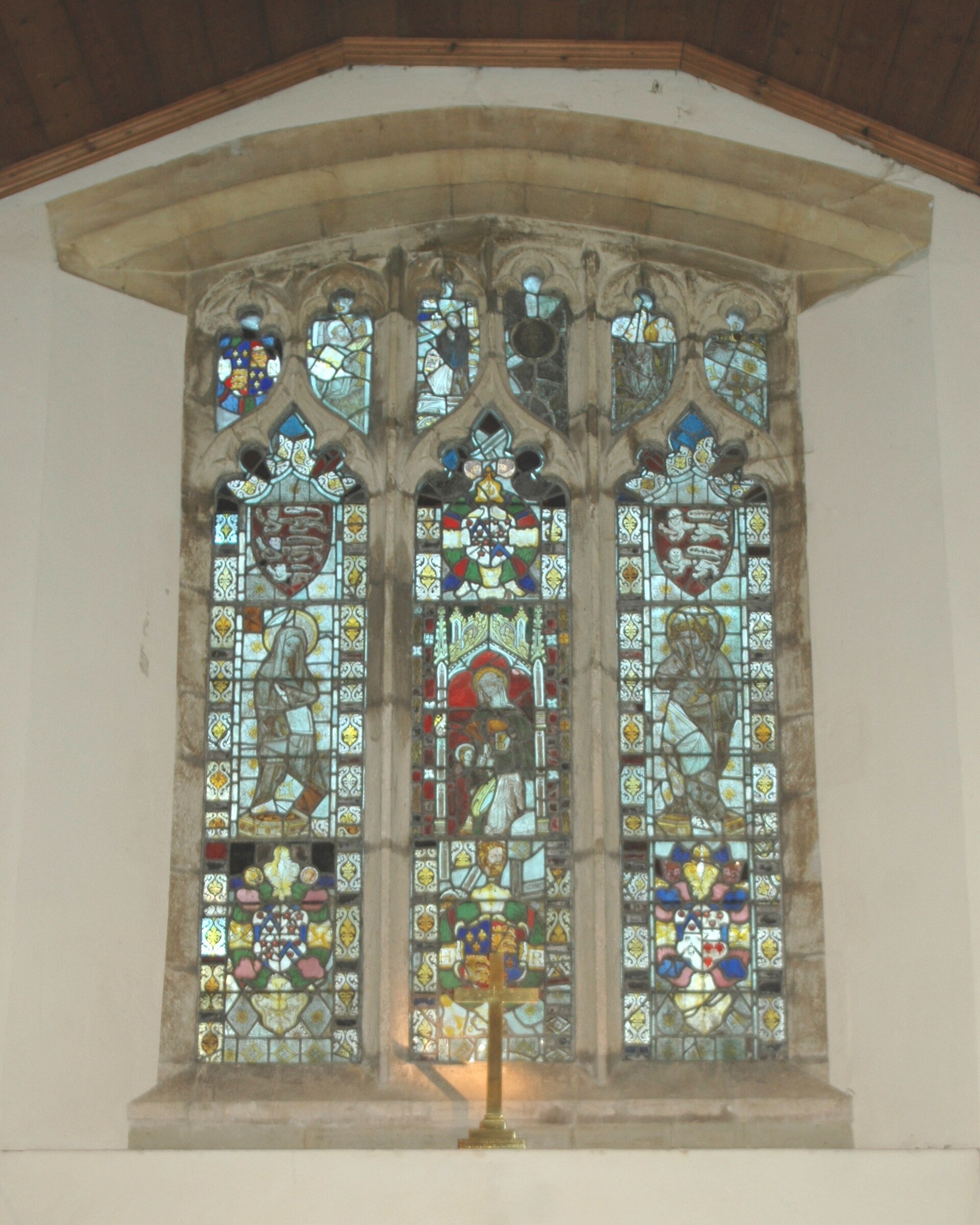
Many of the castles and cathedrals built during this period were later destroyed, but some are still in use today. Many cathedrals were decorated with stained glass windows depicting stories from the Bible.
Trading in the Middle Ages
England was a major trading nation during the Middle Ages. Wool became one of the country’s most important exports. Many people came to England in search of trade and work.
The Wars of the Roses
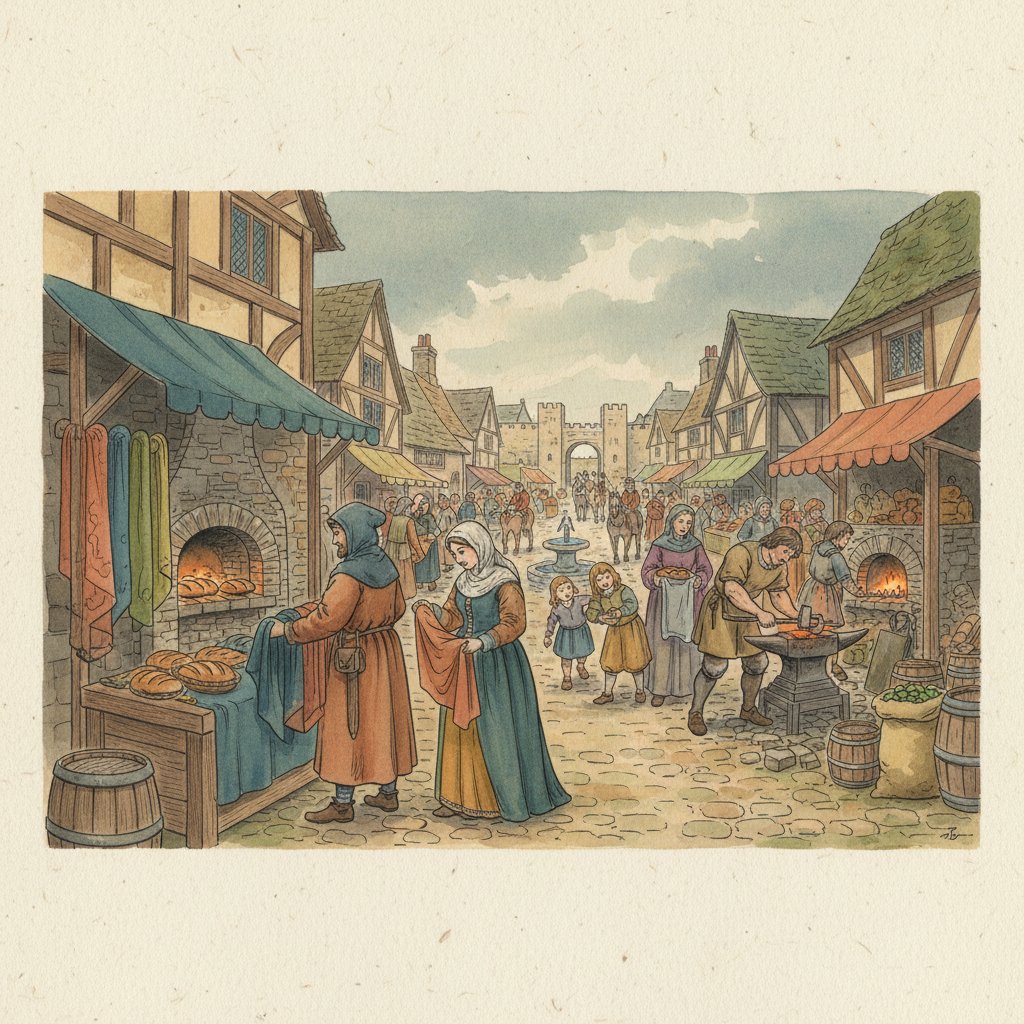
The Wars of the Roses were a series of civil wars fought from 1455 to determine the rightful claimant to the English throne. They were fought between two rival houses: the House of Lancaster, whose symbol was a red rose, and the House of York, whose symbol was a white rose – hence the name. The wars ended at the Battle of Bosworth Field in 1485, where Henry Tudor, the leader of the House of Lancaster, emerged victorious. The House of Tudor then adopted a symbol combining the red and white roses, representing the unification of the two houses.