Medieval England
Complete free lesson · 23 sections
Related guide: Read the first-time preparation guide.
The Middle Ages, also called the Medieval period, ran from the fall of the Roman Empire in AD 476 to 1485. Throughout this time, and particularly after the Norman Conquest, there was almost continuous warfare. During the Middle Ages, the following took place:
- Annexation of Wales to England
- Scotland remaining independent
- Ireland acknowledging the authority of England
Wars Abroad
Overseas wars during the Middle Ages included:
- Crusades: Religious wars fought to protect the Holy Land.
- The Hundred Years' War: A long conflict with France, lasting 116 years. One of its best-remembered engagements was the Battle of Agincourt in 1415. The English eventually withdrew from France in the 1450s.
The Black Death and the Decline of Feudalism
The Black Death was a catastrophic plague that arrived in 1348 and killed roughly one-third of the population of England, Scotland, and Wales.
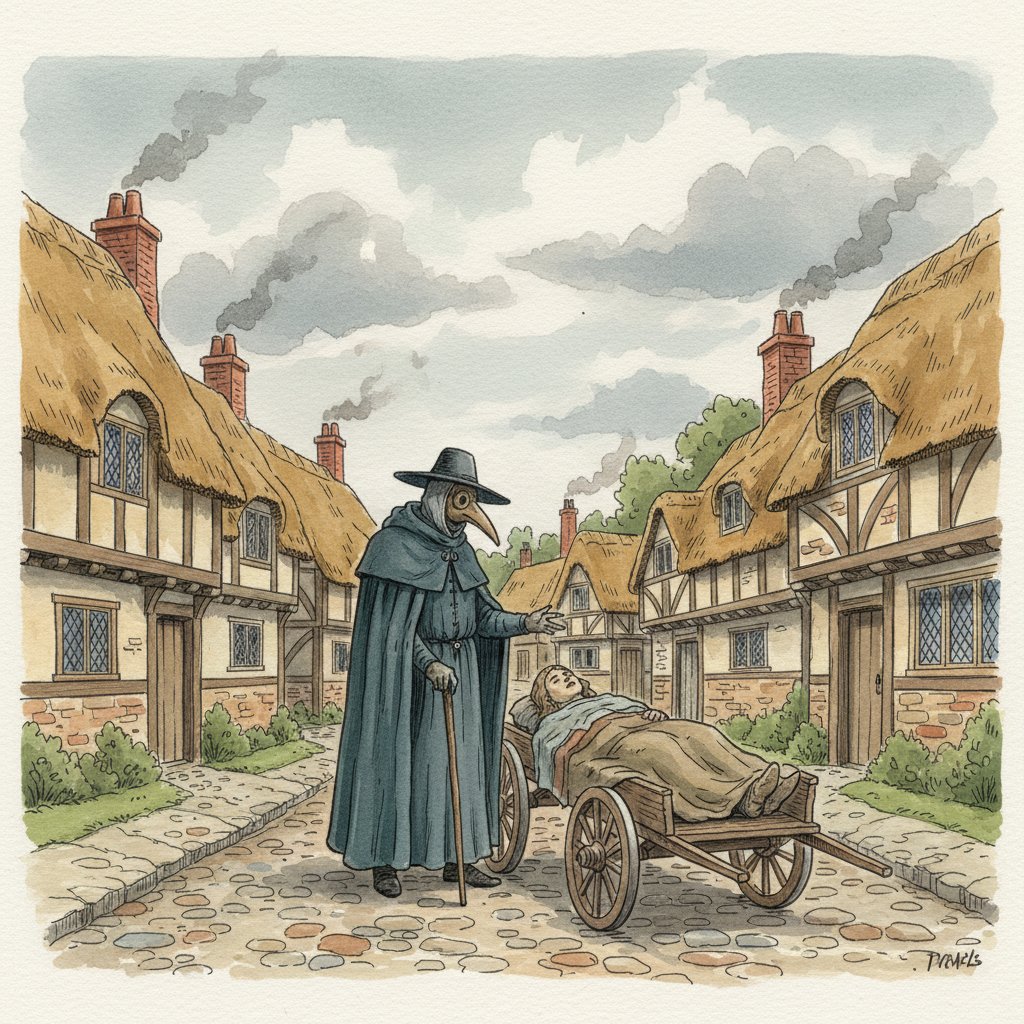
Before the Black Death, a system of land ownership called feudalism was common in Britain and in the southern parts of Scotland. Under feudalism, landowners let serfs (labourers) work part of their land in exchange for services and military support. In the northern parts of Scotland and Ireland, land was instead held by clans – groups of families sharing a common ancestry.
The Black Death caused a steep fall in the population and, with it, a shortage of labour. With fewer workers available, surviving serfs were in a position to demand higher wages. As a result, feudalism began to decline, and new social classes emerged. Many people moved to towns, and a new middle class started to develop.
The Black Death also hit the Pale hard – an area in Ireland under English control – and temporarily weakened English power there. The Middle Ages also saw the beginnings of Parliament as an institution.
The Magna Carta
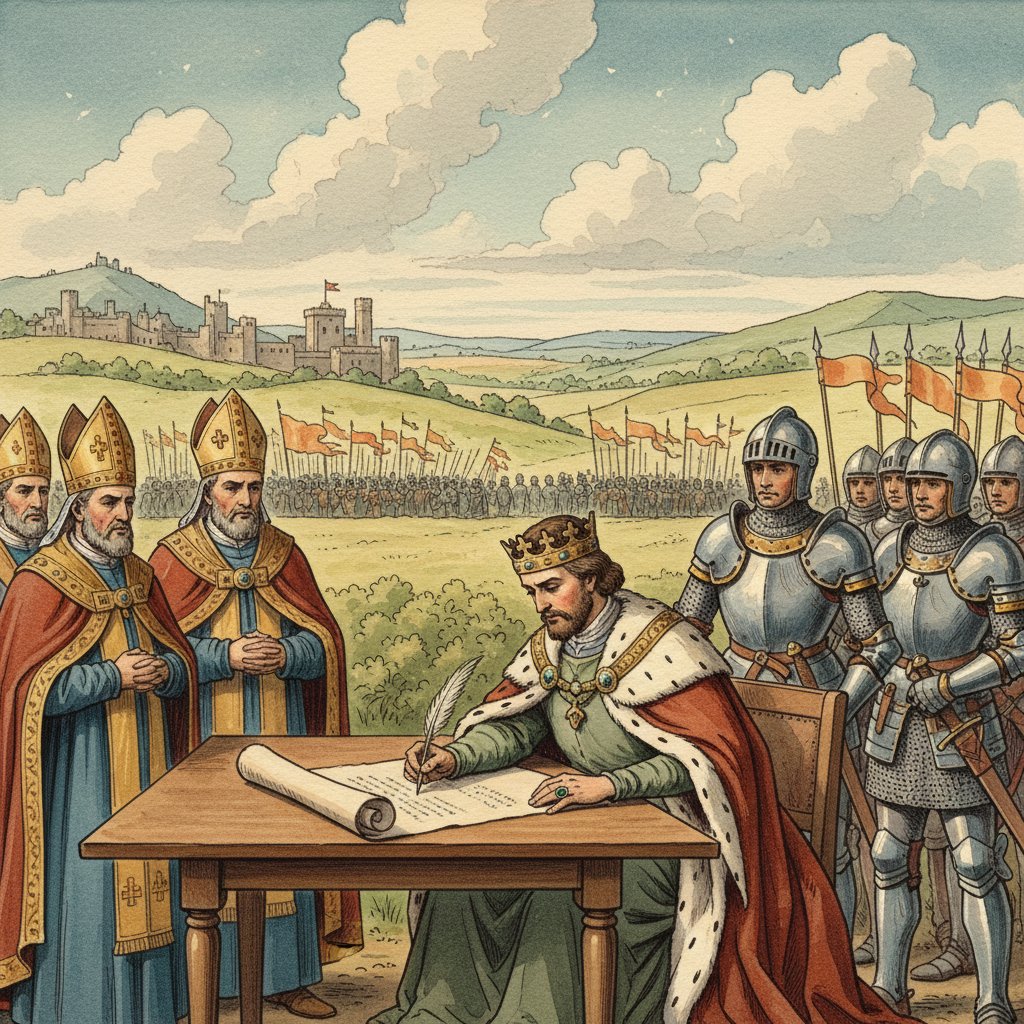
In 1215, King John’s advisers forced him to agree to the Magna Carta. This document limited the monarch’s power, obliging the king to consult his nobles before imposing taxes or changing laws.
The Birth of Parliament
The English Parliament was divided into two distinct parts, known as Houses:
- The House of Lords: Comprising nobles, major landowners, and bishops.
- The House of Commons: Consisting of knights (usually smaller landowners) and wealthy individuals from towns and cities, elected by a voting process open to a limited portion of the population.
In Scotland, a Parliament was established with three Houses:
- The Lords
- The Commons
- The Clergy
Legal Changes
Other notable legal changes during the Middle Ages included:
- The establishment of the independence of judges from the government.
- The development of ‘Common Law’ in England.
In Scotland, legal changes followed a somewhat different route.