Constitutional Change
Complete free lesson · 8 sections
Related guide: Read the first-time preparation guide.
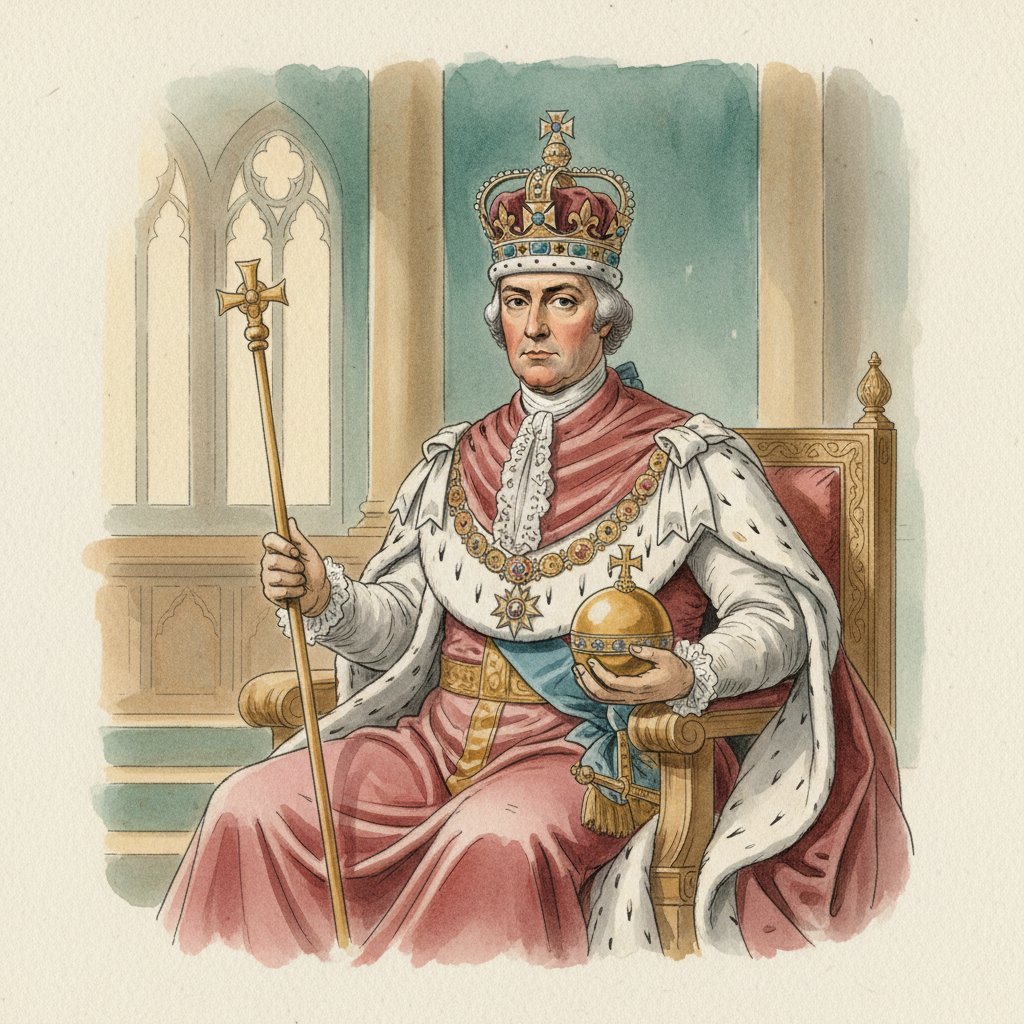
In 1689, the Bill of Rights was established. It confirmed that the monarch:
- Needs Parliament’s permission to increase taxes or exercise justice.
- Must have advisers or ministers who are endorsed by both the House of Commons and the House of Lords.
The two main political groups in Parliament were the Whigs and the Tories. Today’s Conservative Party is still informally called ‘the Tories’. This period saw the beginnings of the party system in the UK.
Also in 1689, the Bill of Rights, which bestowed greater authority to Parliament over the monarchy, was ratified. As a result, the monarchy became a constitutional monarchy, bound by laws and constitutions.
The right to vote was held by only a small number of people, and there were many ‘rotten boroughs’.
In 1707, the Scottish Parliament passed the Act of Union, known in Scotland as the Treaty of Union. England and Scotland were united into the Kingdom of Great Britain. The union was made partly to ensure the continuity of the monarchy after the death of Queen Anne, who had no direct heirs. Although Scotland lost its separate political parliament, it kept its own education and legal systems, along with its Presbyterian Church.
In 1714, George I, who was of German descent, came to the throne. His command of English was limited, and he relied heavily on his ministers. The most senior of these was called the Prime Minister.