Expansion and Exploration
Complete free lesson · 12 sections
Related guide: Read the first-time preparation guide.
A Free Press
From 1695, publishers were no longer required to hold a government licence before printing a newspaper. As the number of titles in circulation grew, a genuinely free press took hold – one in which editorial content operates without government control.
A Growing Population
Britain’s colonial territories across the globe, America among them, continued to grow in size and population. Back home, the domestic population was climbing too. New communities were putting down roots in the UK, including Huguenots (Protestant refugees who had fled France) and Jews. These skilled arrivals made valuable contributions across sectors such as science, banking, and weaving.
The Rebellion of the Clans
In 1745, Charles Edward Stuart mounted a bid for the throne, rallying the Scottish clans behind his cause. His campaign ended in catastrophic defeat when George I’s son, George II, crushed the uprising at the Battle of Culloden in 1746, forcing Stuart to flee back to the European continent.
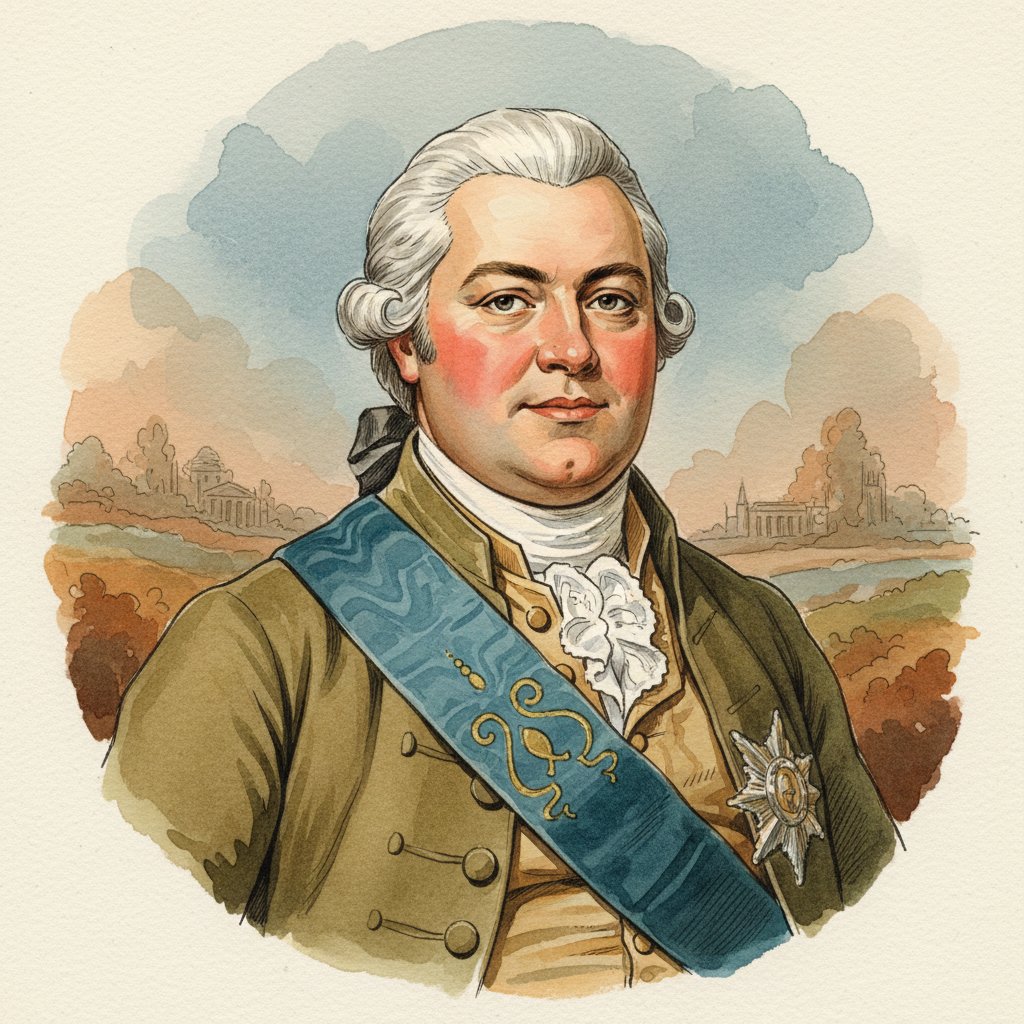
The collapse of the clan system followed swiftly. Former clansmen were reduced to tenant farmers paying rent for the land they worked, while chieftains who had the Crown’s favour were elevated to the role of landlords. It was during this same period that the ‘Highland Clearances’ took hold in Scotland, as many landlords removed communities from their small holdings (called ‘crofts’) to convert the land into expansive sheep-grazing estates.
Among the outstanding literary voices of the era was Robert Burns, the celebrated Scottish poet whose body of work spans the Scots language, English interwoven with Scots vocabulary, and standard English.
The Enlightenment
The 18th century witnessed the flowering of the Enlightenment across Europe. At its core was the conviction that individuals should be free to hold their own religious beliefs and political views, and that no government had the right to control or challenge these choices. This principle remains deeply embedded in British values today.
Scotland produced some of the movement’s most towering intellects, among them Adam Smith, whose writings laid the foundations of modern economics, and David Hume, whose philosophical enquiries explored the nature of human experience. Both stand as defining figures of the Scottish Enlightenment.